

If you cold plunge, you know each chilly soak is memorable. The shock of chilly water, the quick intake of breath that follows, and the feeling of being completely present can be both bracing and invigorating. Then you step out, your body begins to warm, and many people describe feeling refreshed, energized, and more focused long after they've toweled off.
It's no surprise that so many people find themselves wondering, "When can I do that again?"
Experiences like these have sparked growing interest in cold water therapy and the potential wellness benefits of regular, controlled cold exposure.
As interest in cold plunging continues to grow, researchers are taking a closer look at how it may support overall well-being. Today, more research is being done on the effects of regular cold water therapy, helping us better understand how consistent cold exposure influences the body over time.
Current research suggests that controlled, repeated exposure to cold may affect how the body responds to stress, sensory input, and recovery. In this article, we'll explore what today's research supports, where the science is still evolving, and how cold plunging can complement a healthy, balanced lifestyle.
As cold plunging continues to grow in popularity, scientists are taking a closer look at the benefits. Instead of sweeping claims or dramatic promises, newer research is beginning to offer a clearer picture of how controlled cold exposure could support overall wellness.
This research doesn’t suggest that cold plunging is a cure-all, but it does indicate that controlled exposure to low temperatures may influence how the body responds to stress, sensory input, and recovery when practiced consistently, as part of a broader wellness ritual. This article explores what current research supports, where findings remain mixed, and how cold plunging fits into a balanced approach to everyday wellness.
What Scientists Are Actually Studying About Cold Plunging
Early research around cold-water therapy often focused on extreme conditions and athletic performance. Now, as more people make cold plunging part of their everyday wellness ritual, researchers are looking at broader plunge experience and how regular cold exposure affects long-term well-being.
Today, researchers are more interested in how the body responds to repeated, controlled cold exposure rather than a single intense experience. They continue to study delayed physiological effects and how the nervous system processes sudden temperature changes when the body is immersed in cold water.
Part of that response begins almost instantly. Receptors beneath the skin quickly send signals through the nervous system, triggering an immediate physical reaction to the shift in temperature. Because this reaction can occur even during short cold-plunging sessions without extreme temperatures, it has become easier to study in practical, real-world settings that better reflect how people practice cold plunging today.
Recent Research That Could Support Cold Plunge Benefits
As researchers study the benefits of cold plunging, many are focused on specific, measurable responses rather than broad health claims. Newer findings suggest that timing and consistency play a more important role than longer immersion times and colder temperatures when it comes to realizing potential benefits.
Delayed Stress Response and Recovery Windows
A 2025 systematic review and meta-analysis published in PLOS One looked at results from multiple cold-water immersion studies involving more than 3,000 participants. One interesting finding was that stress-related changes did not appear immediately after cold exposure.
Instead, some participants reported lower stress levels about 12 hours after plunging. This suggests that the effects of cold plunging may appear gradually, influencing the body’s stress response over time rather than creating an immediate shift.
For many people, this explains why cold plunging tends to have better results when practiced regularly rather than as an occasional experience. Like many wellness habits, consistency is key.
Instant Alertness (and Its Limits)
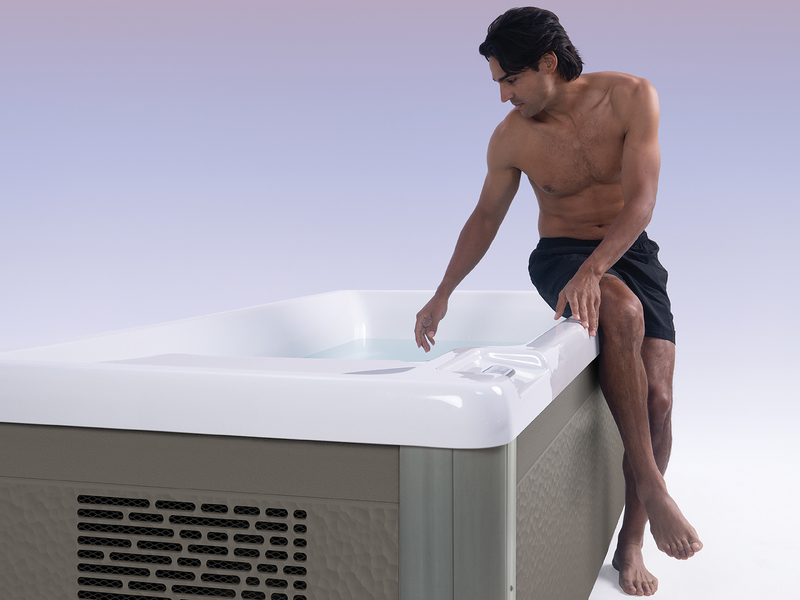
When your body enters cold water, nerve endings in the skin react, heightening your senses and bringing your awareness to the present moment. Many people describe feeling more alert and mentally refreshed shortly after a cold plunge as the body responds to the sudden change in temperature.
This effect, however, is short-term and tied to the plunge itself. It should not be considered as a replacement for rest or other healthy habits. Instead, it reflects a temporary shift based on the body’s reaction to cold water.
For many people, this refreshed, energized feeling is one of the reasons they keep coming back, whether they're starting the day, recovering after exercise, or taking a mindful break from their busy schedule.
Cold Plunging and Physical Recovery
Cold-water immersion has been extensively studied as it relates to exercise recovery. There is reasonable evidence that it can reduce perceived muscle soreness following intense physical activity, particularly endurance-based efforts.
As with many wellness tools, there are considerations to keep in mind. Cold water therapy appears to be most impactful for short-term recovery. Some research also suggests that frequent cold plunging immediately after resistance training may interfere with muscle growth if used excessively.
Taken together, these findings seem to reinforce the importance of timing and moderation. Cold plunging may support recovery in specific situations, but more is not always better.
Making Cold Plunging Part of a Long-Term Wellness Ritual
Sustainability and consistency play a major role in how cold plunging fits into everyday wellness. Research increasingly supports the idea that controlled, repeatable exposure is more meaningful than extreme practices.
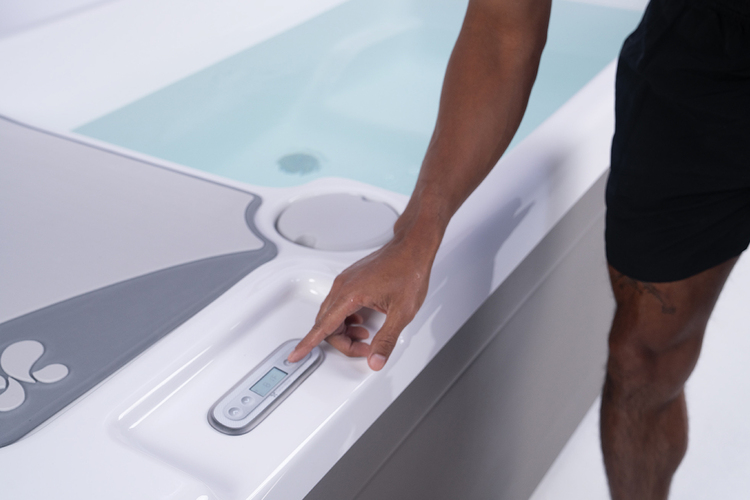
With a cold plunge just steps from your back door, it's easy to embrace the chill whenever the mood strikes. A dedicated cold plunge system, like the Caldera® Emerge™, keeps the water crystal clear, filtered, and at your preferred temperature, making every plunge satisfying and refreshing.
By experimenting with temperature and session length, you can curate your perfect plunge. As you become more experienced, your preferences may change. Being mindful of how your body responds and adjusting your sessions accordingly can help cold water therapy become an enjoyable part of your wellness ritual.
Cold plunging is especially beneficial when combined with other healthy habits like exercise, recovery, rest, and allowing time to let the mind and body slow down and reset.
A Clearer View of Cold Plunge Benefits
Research on the potential benefits of cold plunging is evolving, with studies showing promising results related to recovery, mental well-being, and overall wellness. While scientists are still exploring its long-term effects, current evidence suggests that cold plunging can complement a healthy lifestyle when practiced safely and consistently.
As the research continues, one thing is already clear: for many people, cold plunging is more than a wellness trend. It provides a refreshing way to pause, reconnect with yourself, and embrace a ritual that supports both body and mind.